
A space to understand how you’re impacted by your work.
Supervision offers a place to bring the parts of your work that are harder to process on your own.
Not just what’s happening in your client sessions, but how you’re in them. What you’re carrying. What may be shaping the work without being fully visible.
this is a space for
coaches who want to stay thoughtful, honest, and in relationship with their work over time.

Ways to work together.
One-to-One Supervision
-
A private, confidential space to focus on your work and your experience within it.
-
Here we slow things down — looking closely at the dynamics that are harder to process alone. The work unfolds at a pace that allows for depth, not quick answers.


-
You want dedicated space to focus on your work in depth
You're navigating complex client dynamics or ethical questions
You notice patterns in your work and want to understand them more clearly
You prefer a more private, individualized setting
Group
Supervision
-
Small, carefully held groups where reflection happens in relationship with others.
Group supervision offers something one-to-one work can't — the chance to notice how you land with others in real time, and to see patterns that only become visible in a shared space. There's a particular kind of learning that emerges when you're not alone in the room.
-
These groups are structured and intentional. They're not for networking or performance. They're for honest reflection, genuine feedback, and the slower work of understanding yourself in relation to others. If you work with teams, the group format offers a particular kind of preparation — you'll find yourself more attuned to how dynamics move, how attention shifts, and what goes unspoken in a room.


-
You're open to learning alongside others, not just about yourself in isolation
You want to understand how you're experienced in the room
You value multiple perspectives and the depth that shared reflection can offer
You're willing to engage with both giving and receiving honest feedback
Professional Development & Credentialing Support


Supervision is also for coaches who are questioning the performance-oriented culture of coaching itself — who want to work in a way that's more human, more honest, and less shaped by what looks good on the outside.
If you're drawn to a less formulaic, more relational way of being with clients, this is a space that supports that. Not as a method to learn, but as a way of practicing that you grow into over time, through reflection, honest feedback, and knowing yourself more fully in the work.
For coaches affiliated with the EMCC, supervision can also count toward your ongoing professional development requirements.
Coaching
The focus of this practice is coaching supervision, Liz will happily refer you to Reboot for executive coaching.


“What I have been massively surprised about and has been the complete game changer for me is how I show up—what's going on in my own life and how I show up and bring that into my coaching sessions unconsciously most of the time. A lot of the work I'm doing in supervision is recognizing where are you showing up, Aaron, and where is it your client? That work, that observation, has been transformative.”
Aaron Gadiel Certified Creativity Coach & Business Consultant
coaching supervisor

Get to know Liz.
Liz Stewart has spent more than thirty-five years learning to pay attention.
To what moves through a room, through a relationship, and through the body long before it finds words.
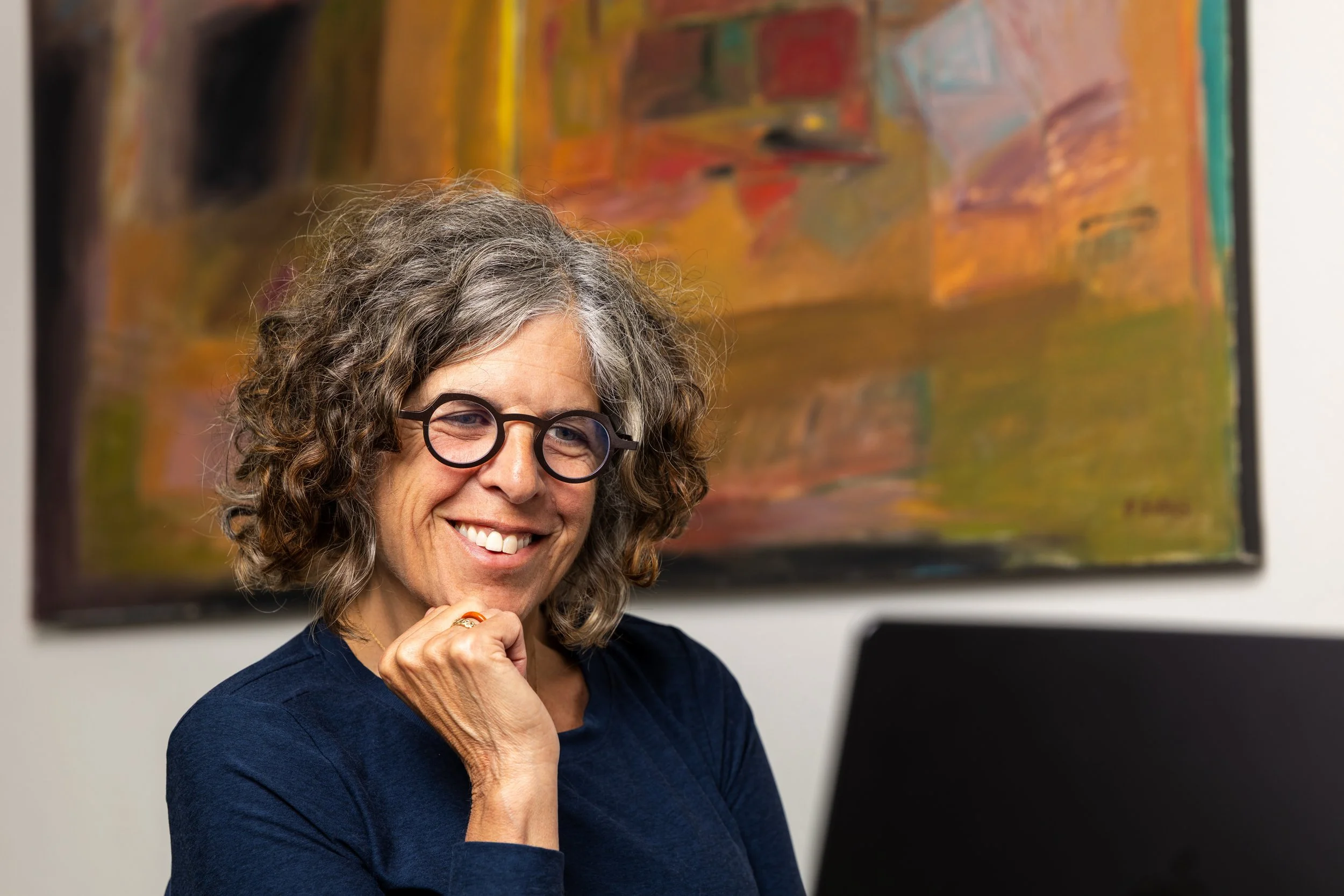

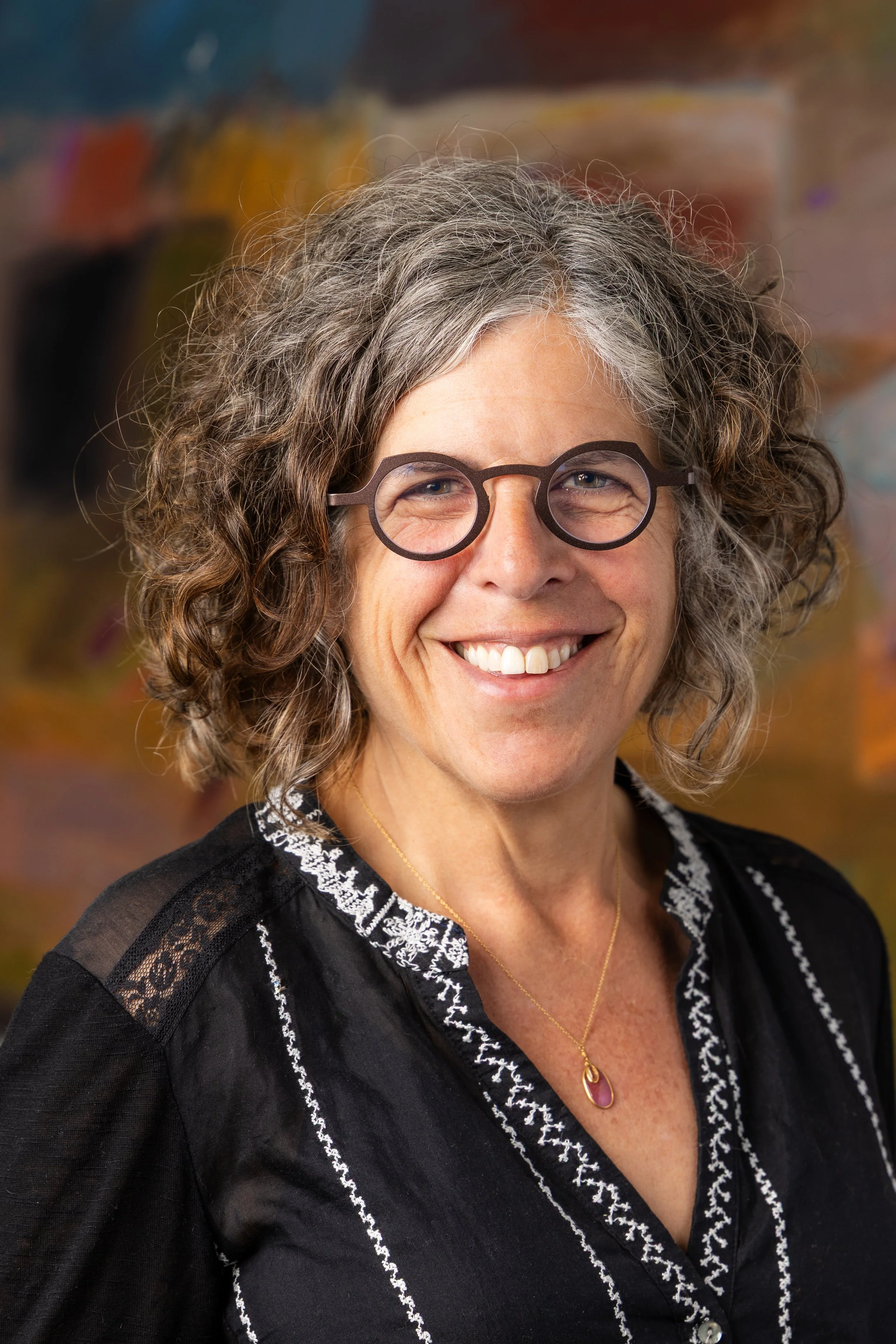
Her work lives at the intersection of somatic and embodied practice, individual supervision, and group-based supervision. She trained in coaching supervision through Oxford Brookes University and the Centre for Supervision and Team Development (CSTD) in London, and in group work through the Center for Group Studies (CGS) in New York City. She holds EMCC Global accreditation as both an EIA Senior Practitioner and ESIA Coach Supervisor. A board-certified Advanced Rolfer™ and educator, she has brought that somatic lineage into the heart of her supervision practice.
Liz works with coaches across many cultures, identities, and professional backgrounds.
In her experience, culture isn't only something we think about—it's something we carry in the body. Belonging, exclusion, authority, being othered—these experiences shape how people speak, listen, take up space, or hold back. Liz pays close attention to these patterns, and to the ways identity, culture, power, and lived experience shape the relational field between people.
Her work supports coaches in slowing down, listening more deeply, and noticing what's unfolding beneath the surface—work she brings to her private practice and to her role as a coaching supervisor with Reboot.io.
Liz’s work is informed by formal training in coaching supervision, along with decades of study in somatic practice, group dynamics, and relational approaches. Her work continues to be shaped by ongoing supervision, study, and long-term practice.



Start with a conversation.
Begin now.
This website is a place to share how I think about coaching supervision. If you’d like to explore if we are a good fit, you can contact me here or connect with me through Reboot, where I offer coaching supervision both one-to-one and group options.