
Reflections on the work behind the work.
Writing on supervision, embodiment, ethics, and the relational dynamics that shape coaching practice.

When Coaching Stops Working: The Hidden Doorway of Supervision
One of the most overlooked aspects of coaching is how we, as coaches, bring ourselves into the work. The stuck moments, the unexpected discomfort, the dynamics that subtly unsettle us—these aren’t just client issues. They are invitations to turn toward what’s happening in us. To ask, What is this moment asking of me?

Managing Boundaries in Coaching: Balancing Safety and Humanity
Boundaries are an essential yet often unnoticed structure that enhances safety and effectiveness in coaching relationships. When clearly established, they create a secure environment for clients to explore and develop.

Erotic Transference: When Attraction Enters the Coaching Room
Attraction in a coaching relationship can be subtle and show up in different ways — not always obvious or easy to name. These moments can leave a coach questioning what’s going on, whether in one-to-one work, in groups, or in team coaching.
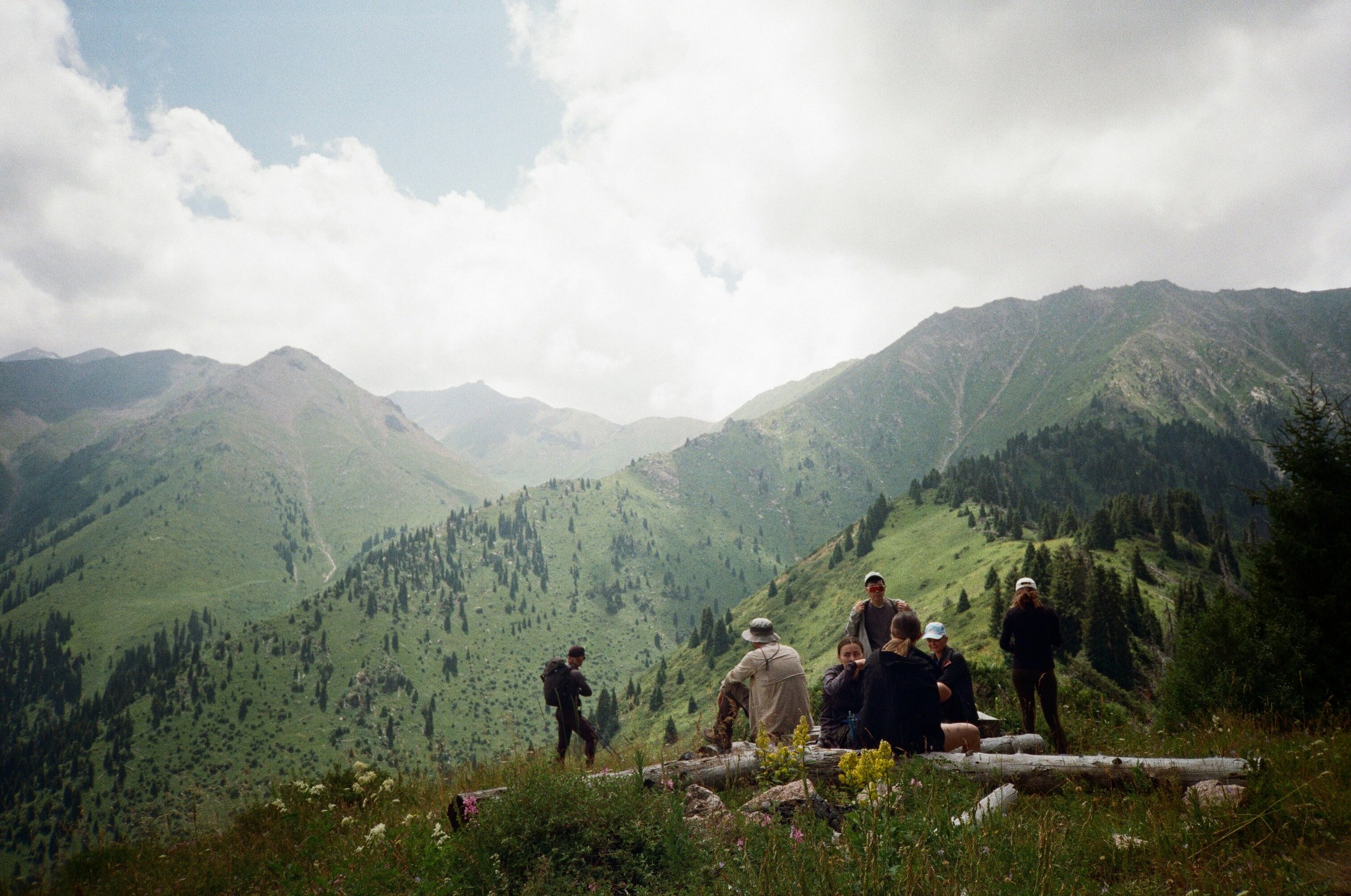
When a Team Isn’t a Group: What Coaches Need That They Don’t Know to Ask For
A coach said something recently that made the whole room pause. She looked at me and said, “Liz… you keep using the words team and group as if they’re different. I honestly don’t understand. They feel the same to me. Can you help me see it?”

Preparing to Bring a Case for Coaching Supervision: A Journey of Reflection and Discovery
Bringing a case isn’t about presenting a polished narrative. It’s about bringing the raw material of our coaching—our uncertainties, our emotional responses, the tensions in the work, and the places where we long for insight.
Begin now.
Considering supervision?

The best way to understand if this work is right for you is through conversation. If you’d like to explore if we are a good fit, you can contact me here or connect with me through Reboot, where I offer coaching supervision both one-to-one and group options.