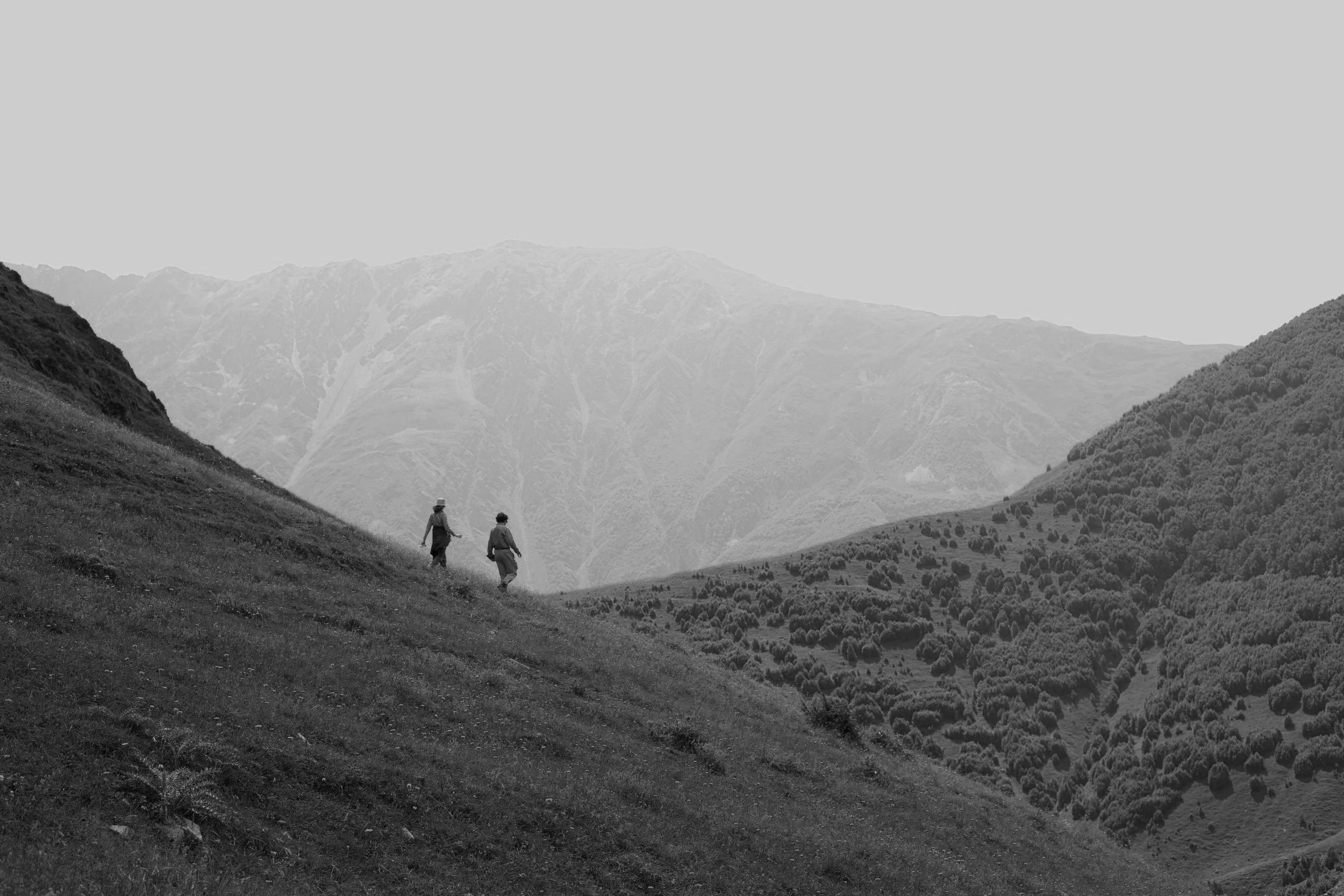
The people who support others need support too.
In the UK and across Europe, supervision is considered a foundational part of coaching practice.
In much of North America, that expectation doesn’t yet exist in the same way, and many coaches navigate complex work without a dedicated space to step back and reflect on it clearly.
A reflective practice for understanding your work more fully.


It helps to be clear about what supervision is, and what it isn't. It's not coaching the coach. It's not therapy. It's not mentoring, and it's not a peer group, though all of those have their place.
Coaching supervision is a structured, reflective space where you step back from your client work and look at what is shaping it.
The dynamics between you and your clients. Your own responses and reactions. The ethical questions that don't resolve easily. The patterns that may be influencing your work without your full awareness.
It's a place to think more clearly about your work, with support — and to stay resourced enough to do it well over time.

Why it matters:
Because this work asks more than it shows.
Supporting others requires presence, judgment, and responsibility. Much of what shapes your work happens beneath the surface.
Most coaches learn to manage this on their own. Supervision offers a place not just to manage it, but to work with it.

Over time, this can lead to:
Subtle blind spots
Accumulated emotional weight
Patterns that are hard to recognize from the inside
Questions that don't have clear answers
Three functions of supervision.
Supervision supports your work in three interconnected ways:
Ethical & Quality Awareness
Attention to boundaries, responsibility, and the integrity of your work over time.
Reflective
Support
A place to process your experience of the work and what you’re carrying within it.

Professional
Development
Ongoing growth in awareness, judgment, and how you show up in your practice.

Supervision may also support ongoing accreditation requirements for coaches affiliated with organizations such as EMCC.
What happens in supervision.
How the work unfolds.
Supervision is not only a cognitive process. It includes attention to what is happening:

in the relationship between you and your clients

in the body & nervous system

in your internal responses

in the wider relational & cultural context

This work often unfolds slowly.
It is not about quick answers, but about developing the capacity to notice, reflect, and respond with greater awareness.
This work takes place within clear agreements around confidentiality, boundaries, and professional ethics.
This is not about performance or proving yourself.
Supervision is not about proving competence or improving performance.
It is not oversight or correction.

It is a place to stay in relationship with your work, to understand what is shaping it, and to continue developing as a practitioner over time.
Begin now.

Considering supervision?
The best way to understand if this work is right for you is through conversation. This website is a place to share how I think about coaching supervision. You can contact me here or connect with me through Reboot, where I offer coaching supervision both one-to-one and group options.